

Here’s an uncomfortable truth about American bike advocacy: we’ve fallen in love with the premium build, and we treat anything less as a failure.
Ask a pro-bike academic or advocate what a “real” bike lane looks like and you’ll get a specific image: concrete curb protection, landscaped buffers, a signature design. Paint and flex posts get dismissed as half-measures because “paint isn’t protection.” That instinct is understandable. Paint doesn’t have the same properties as a concrete barrier and most people don’t feel inclined to celebrate a compromise. But the top shelf corridor approach is backwards, and it’s holding cities and suburbs back from real progress.
Corridors make for fantastic case studies and award recipients. Pick an important street, build it out with a gorgeous protected lane and essential transit infrastructure, and you get staff, politicians, and advocates swooning. By all means, keep that up! Infrastructure usually gets upgraded one link at a time because grant funding and project pipelines are set up for discrete, defined segments.
The problem shows up the day after the ribbon-cutting. If that corridor doesn’t connect to where people actually need to go, if it ends two blocks from the school, or drops riders onto four lanes of traffic with no separation, then the value collapses. You get a nice segment that functions more like a demonstration than a way to get somewhere, even if the street now boasts a premium protected bike lane. It’s a show pony: beautiful, expensive, and basically useless for daily life. And because it was expensive and beautiful, the scrappy paint-and-post connections are treated like lame substitutes for bike lanes.
Network thinking starts from a different question. Not “how do we make this one street excellent,” but “how do we put as many destinations in close proximity to bike lanes as possible?” That reframe changes everything about what counts as a good project.
It also opens up tools that corridor thinking ignores: shared-use paths, park trails, school cut-throughs, bus lanes, and even low-stress neighborhood streets that don’t have any striped bike lanes at all. A network doesn’t need every piece to be worthy of a magazine cover.
Think of this like decorating a home. You can pour everything into one stunning room—custom finishes, perfect lighting, the highest quality furniture—and leave the rest of the house merely functional. Sure a perfect room will impress visitors, but a home that’s good enough is good enough. Bike networks work the same way. One flawless corridor impresses. A connected, good-enough system is what gets grandparents and grandkids riding to the library together this year, not fifty years from now.
This isn’t an argument against high-quality corridors. It’s an argument for planning every corridor project with the larger network in mind from day one, filling the gaps fast with the cheap, quick tools that don’t need a decade of funding cycles to happen.
My favorite quick-build bundle has three ingredients: paint, flex posts, and parked cars. Not only are the materials cheap, but the bike lanes can be created as part of routine maintenance. The added bonus is that the parked cars function as strong barriers to protect the people riding bikes.
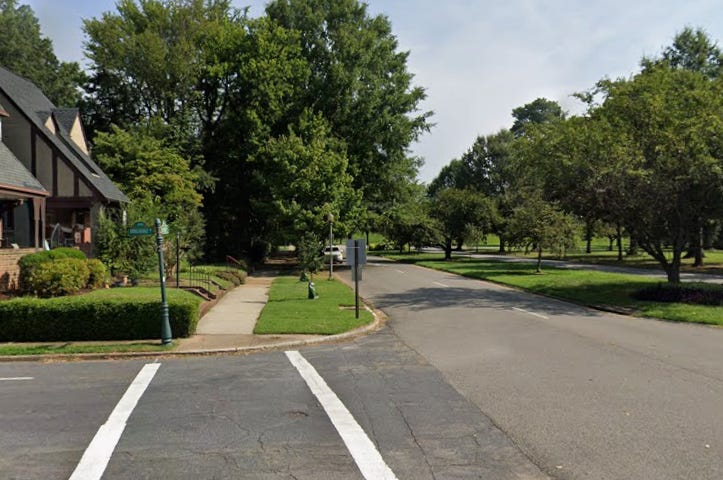
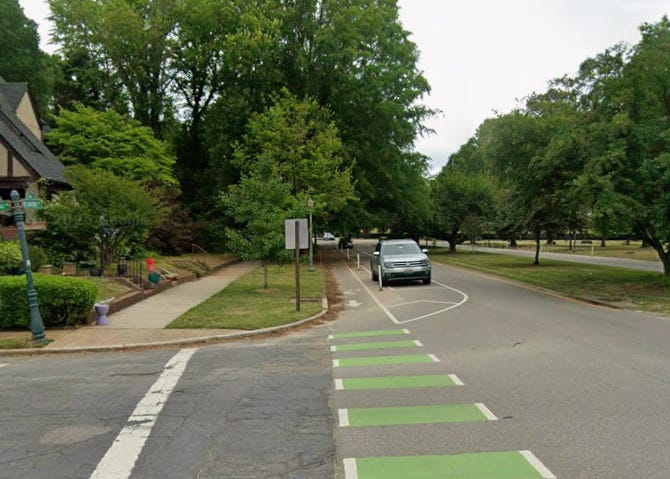
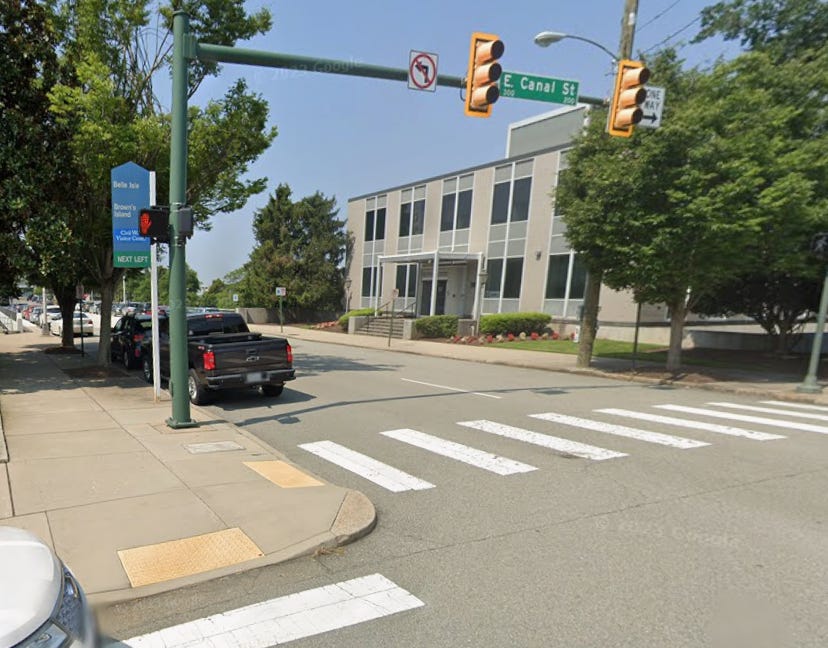
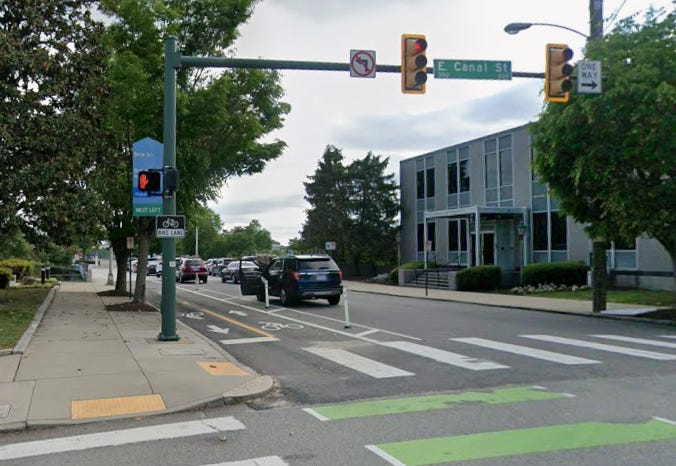
The multiplier effect is real. One good lane helps a few people, but a connected network of good-enough routes normalizes biking as transportation. I’m not even talking about commuter trips, I’m talking about all the short trips we make running errands, meeting someone for coffee or lunch, grabbing a birthday card, or returning a library book. This is extra powerful if your community has access to a bike share program, making it easy for people who don’t have their own bicycle handy.
We don’t need every segment to be perfect. If a local government only builds perfect bike infrastructure, then nobody here in 2026 will be alive when the perfect all ages and abilities network is built. The hating on quick-build bike lane networks by pro-bike academics and advocates is silly rage bait, so I hope they don’t discourage you. Absolutely support premium infrastructure, but establish networks now that get people riding now.
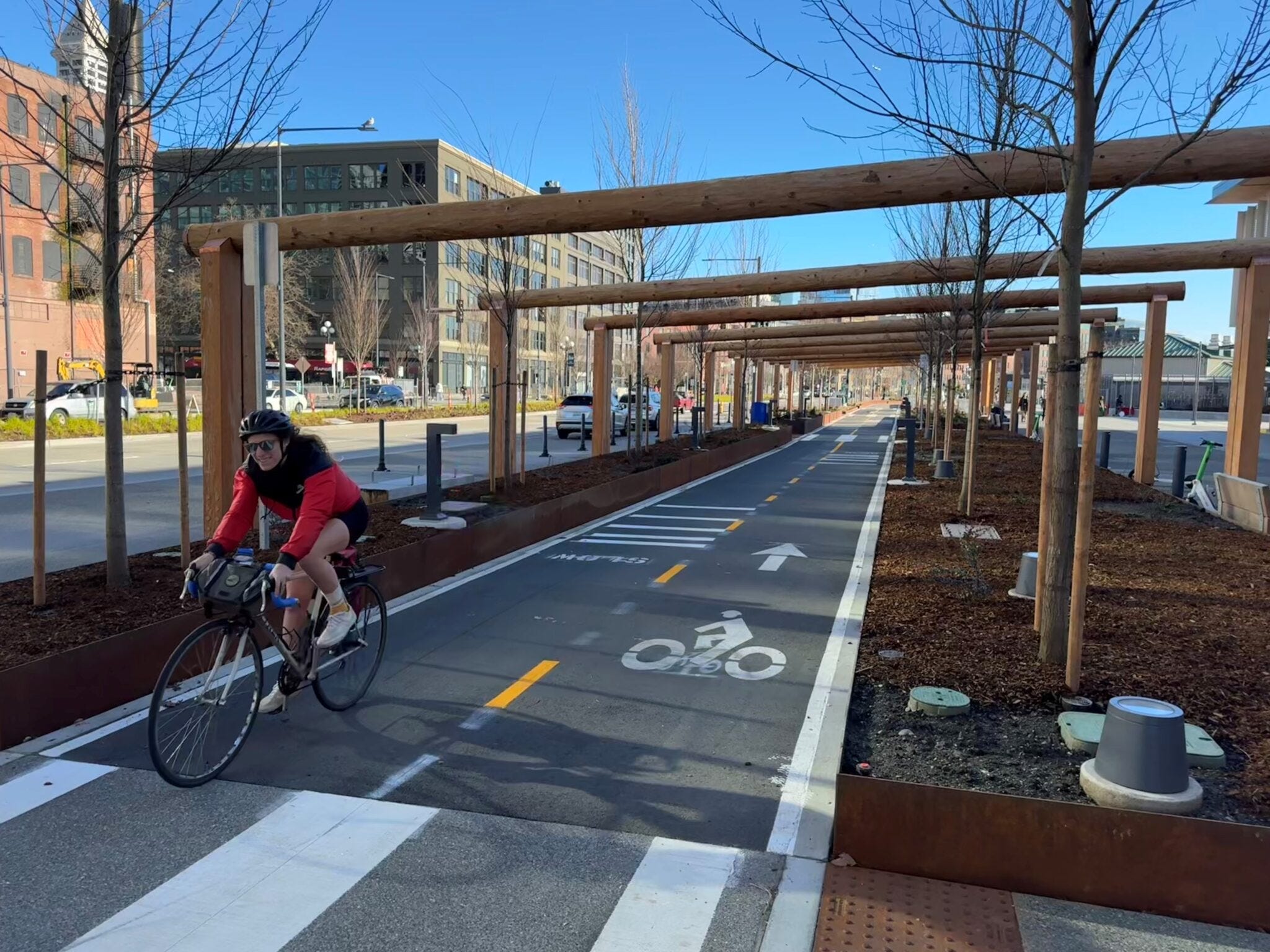
p.s. Looking good, Seattle.
Love the one room in a house analogy. Great work, Andy. My issue is multi-use paths in brand new communities becoming the go-to design. Somebody made up their mind there isn’t enough demand in those places for both dedicated bike lanes and sidewalks, when induced-demand applies to bikes just as it does to cars. Build it and it’ll get used.
Great points, always good to remember that most cities and towns have limited budgets and it’s difficult to justify huge investments in what many deem to be “speculative” improvements at best. But building out cheep connected networks can quickly show the value!